
Scoliosis & Schroth Treatment
By definition scoliosis is a three dimensional deformity of the spine. We measure its severity by the lateral deviation of the spine on an X Ray, referred to as the Cobb angle. We find that scoliosis has two main impacts on our patients. One is the aesthetics and symmetry and the other one is the pain, stiffness and restriction that the scoliotic curve brings.
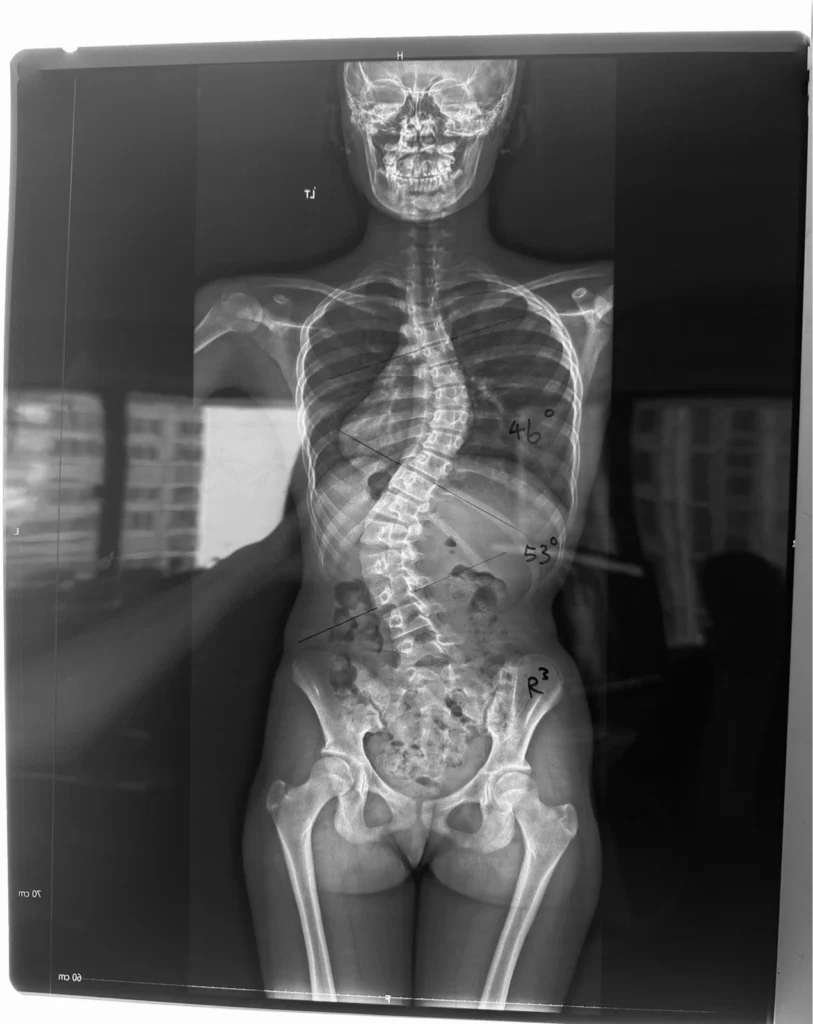
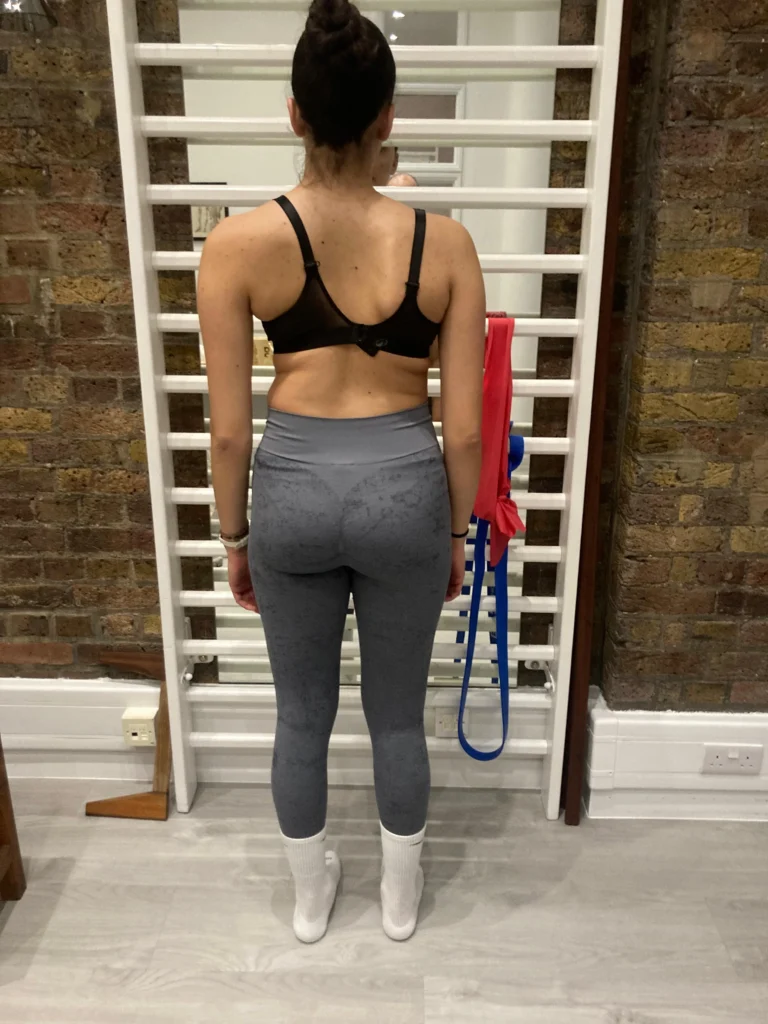
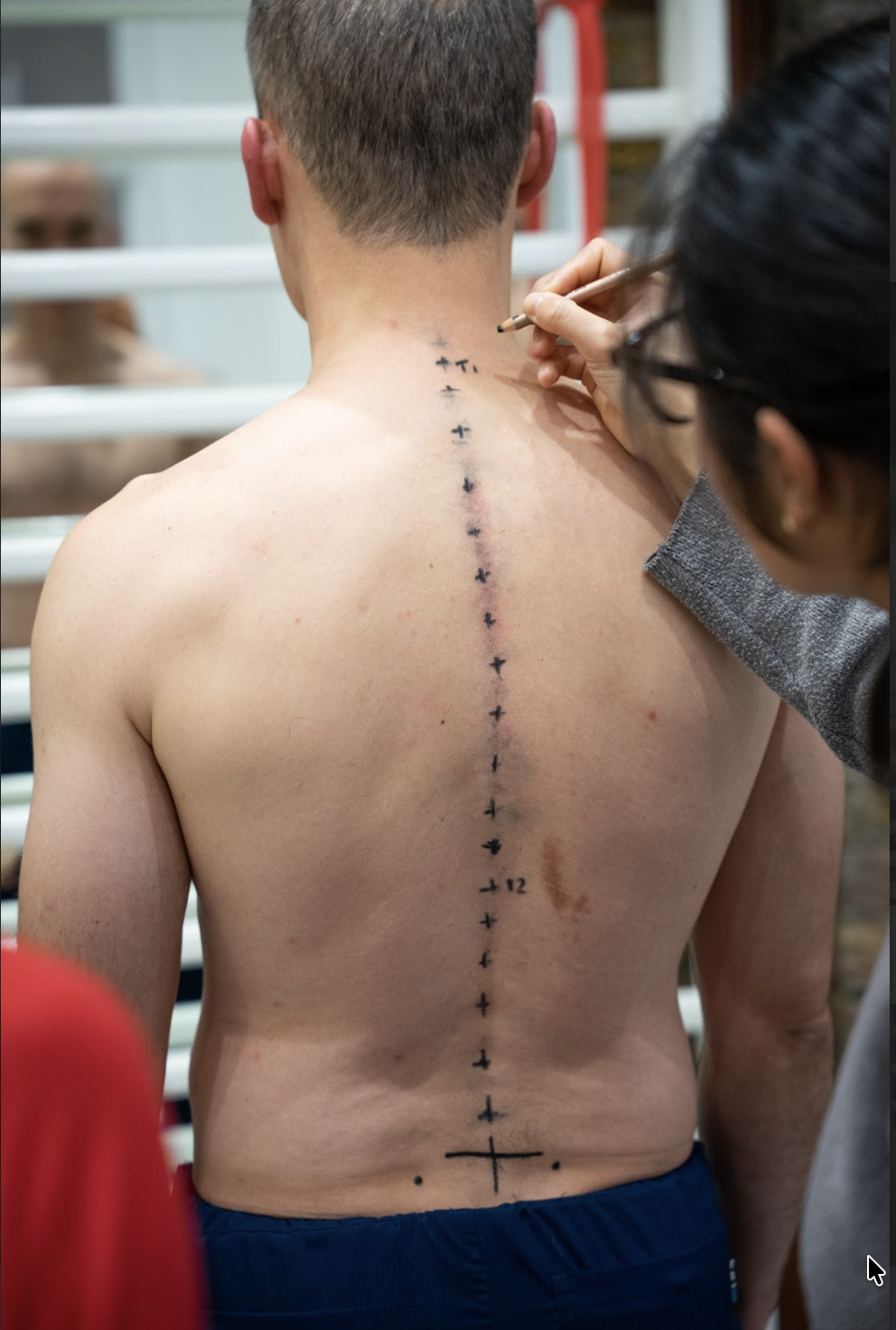
Scoliosis is a three dimensional deformity. The spine bends, rotates and creates convexities and concavities. At its beginning, scoliosis can be hard to spot. Uneven shoulder levels, winging shoulder blades, displaced hips, shifted pelvis and unilateral skin dimples, are often signs one should be looking out for. The forward bending test, the use of a scoliometer or a standard Xray can be very diagnostic.
There are different types of scoliosis that can affect children, but also adults. The most common type of scoliosis is called idiopathic, which means of unknown cause. Research has shown that scoliosis specific exercises combined with bracing if deemed necessary, can help to prevent progression of the curve and also reverse it.
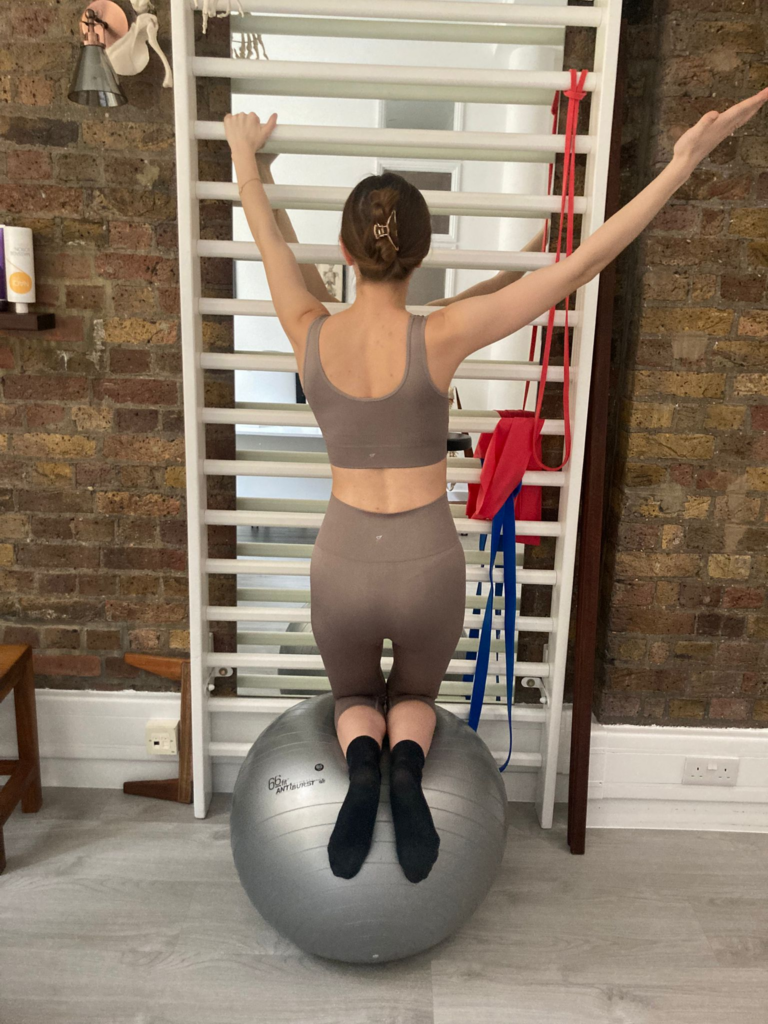
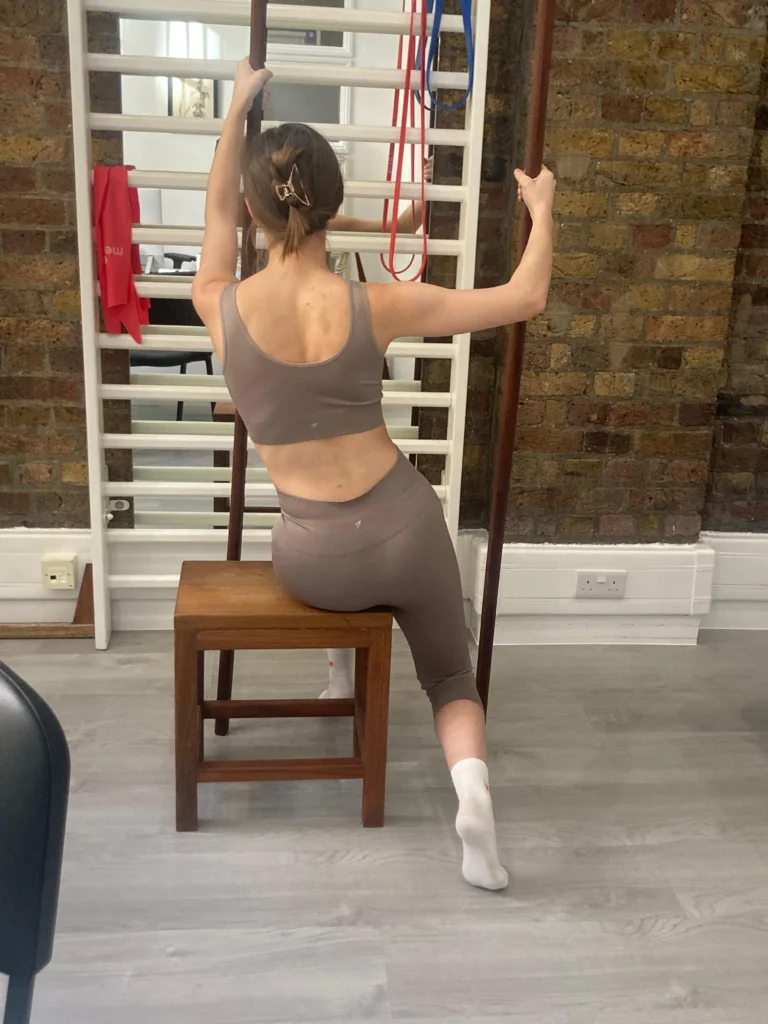
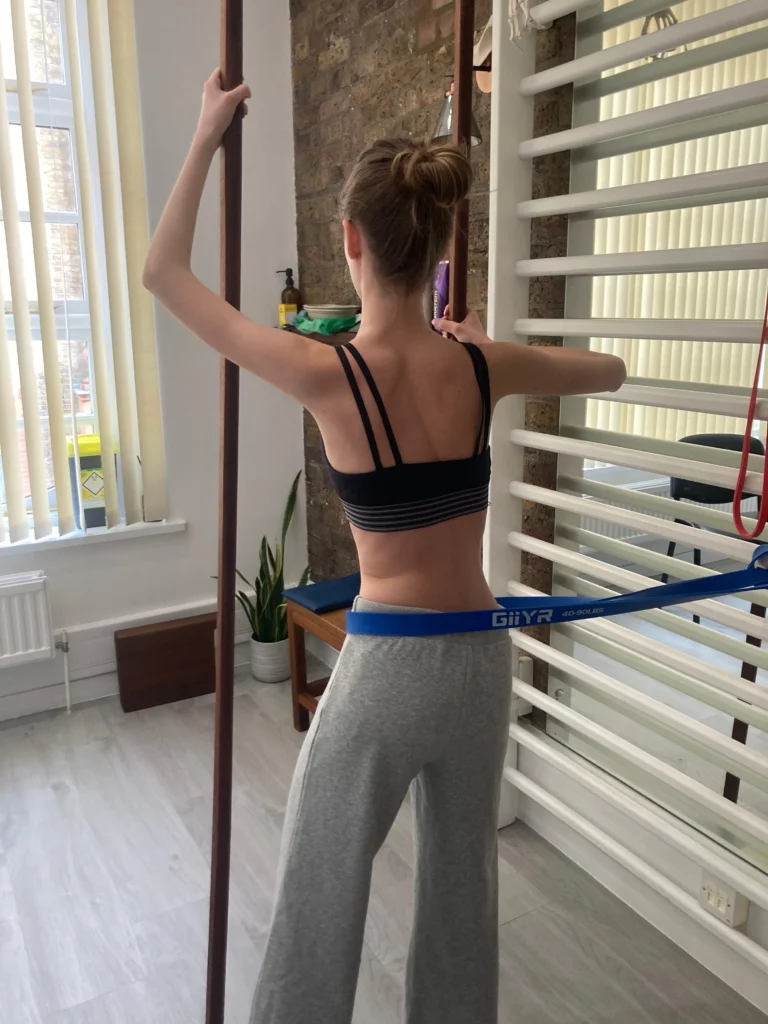
The Schroth method is the most researched and widely recognised scoliosis specific exercise approach. Originally founded by Katharina Schroth in 1921 in Germany and further developed by her daughter Christa, is a full and complete system of conservative management of scoliosis. Unlike other methods, it approaches scoliosis as a complex three dimensional deformity. Its unique feature, the three dimensional breathing or Rotational Angular Breathing, combined with manual therapy techniques and specific exercises for each scoliotic curve, can help improve pain, posture, symmetry, quality of life and teach scoliosis patients ways to develop a new habitual posture. This is achieved by introducing better body statics through derotation, elongation, deflection and stabilisation of the scoliotic curves.
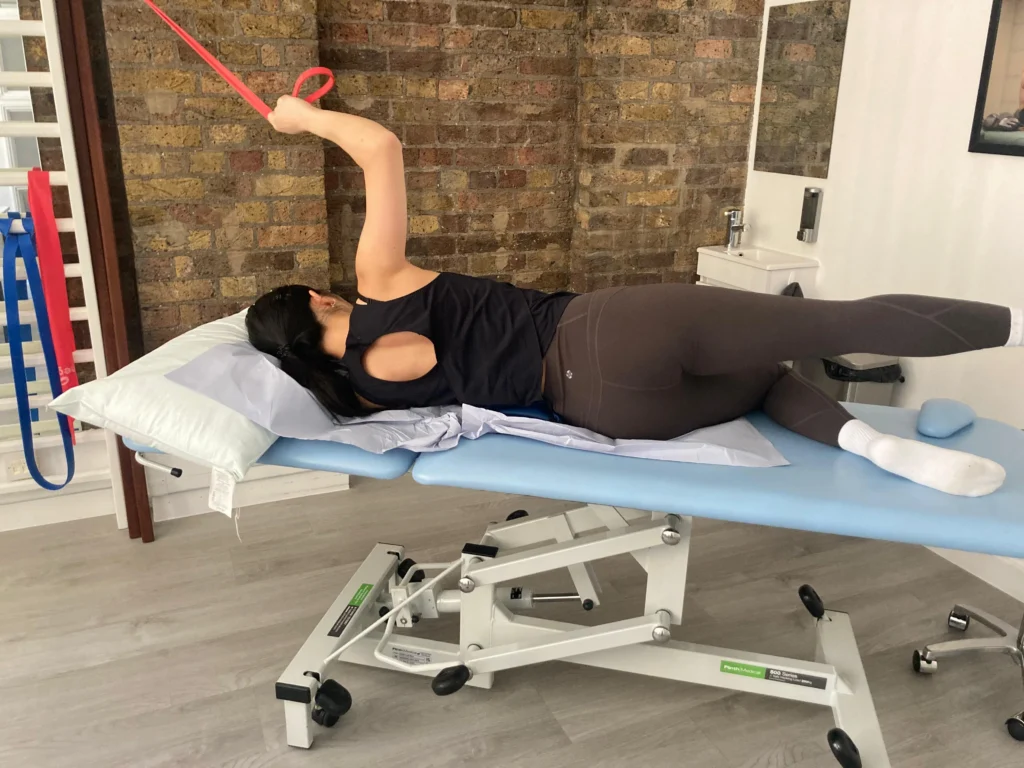
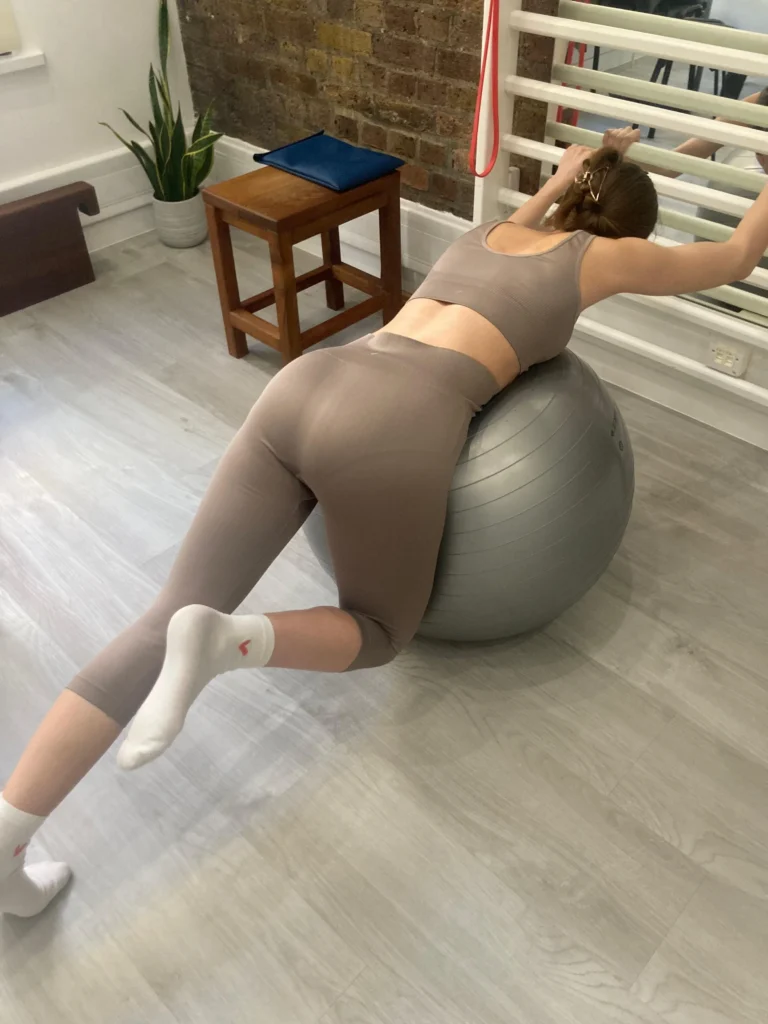
At Physiomove we specialise in the conservative treatment of scoliosis, providing individualised Schroth treatment for the different types of scoliosis for children and adults, bearing in mind the different stages of each scoliosis, the symptoms one may have, expectations and best course of action. In case a brace is needed, we have our in-house orthotists, who are part of the Spinecorporation group, making Physiomove a one stop clinic for the conservative management of scoliosis.
Patients Journey
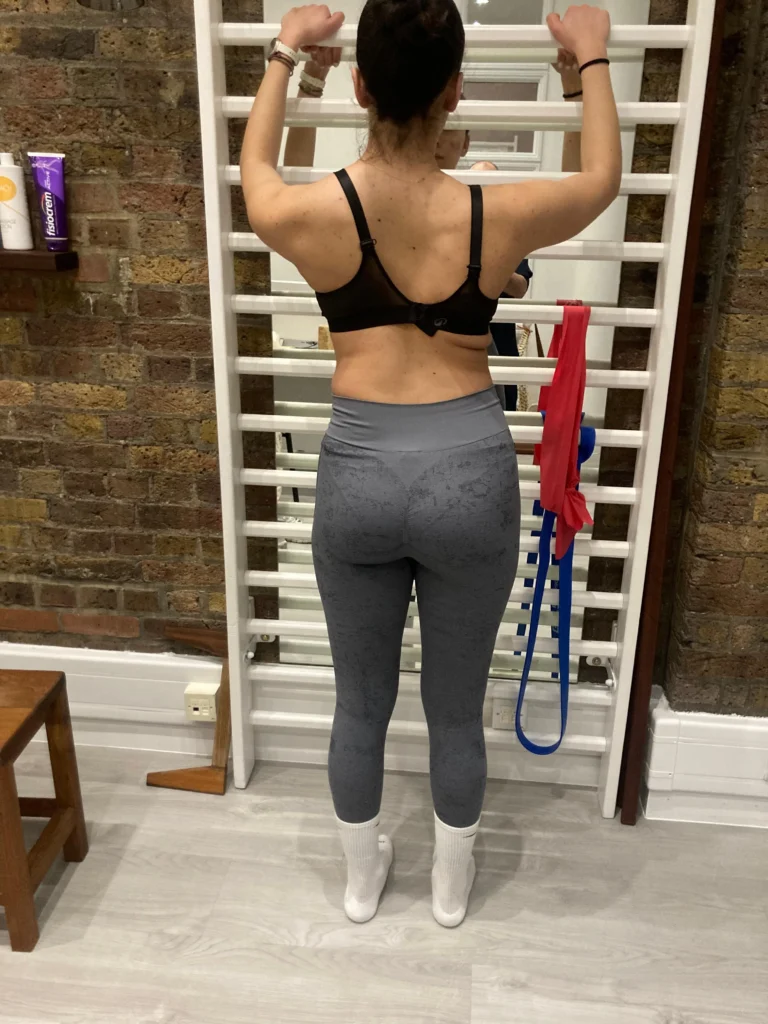
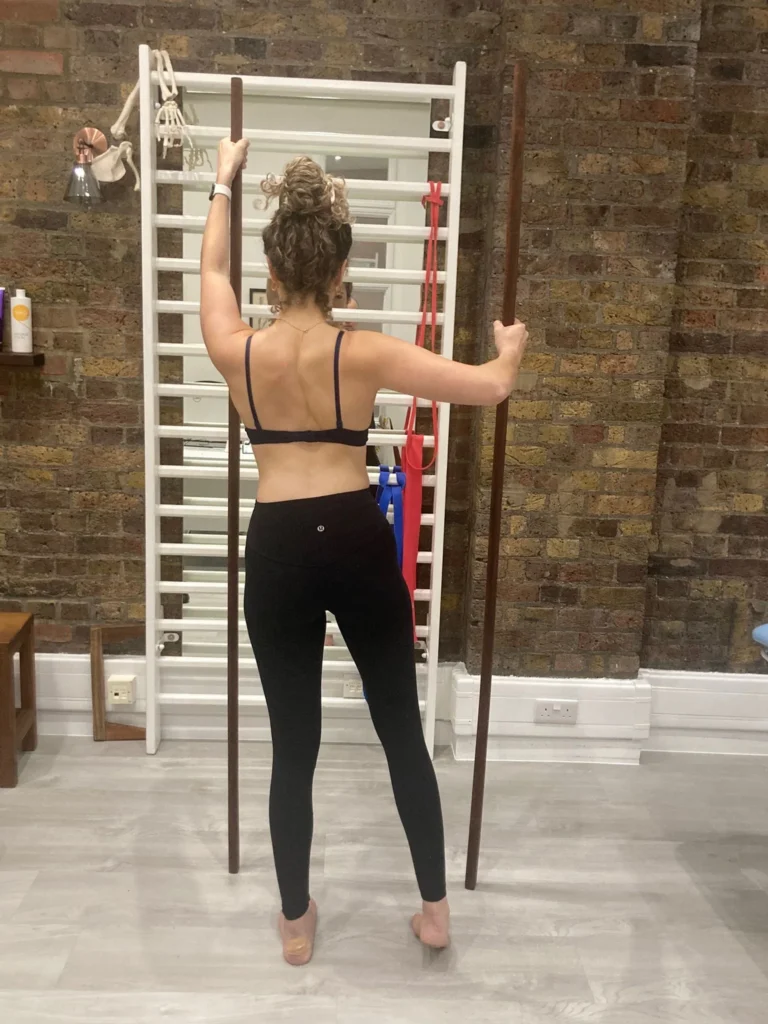
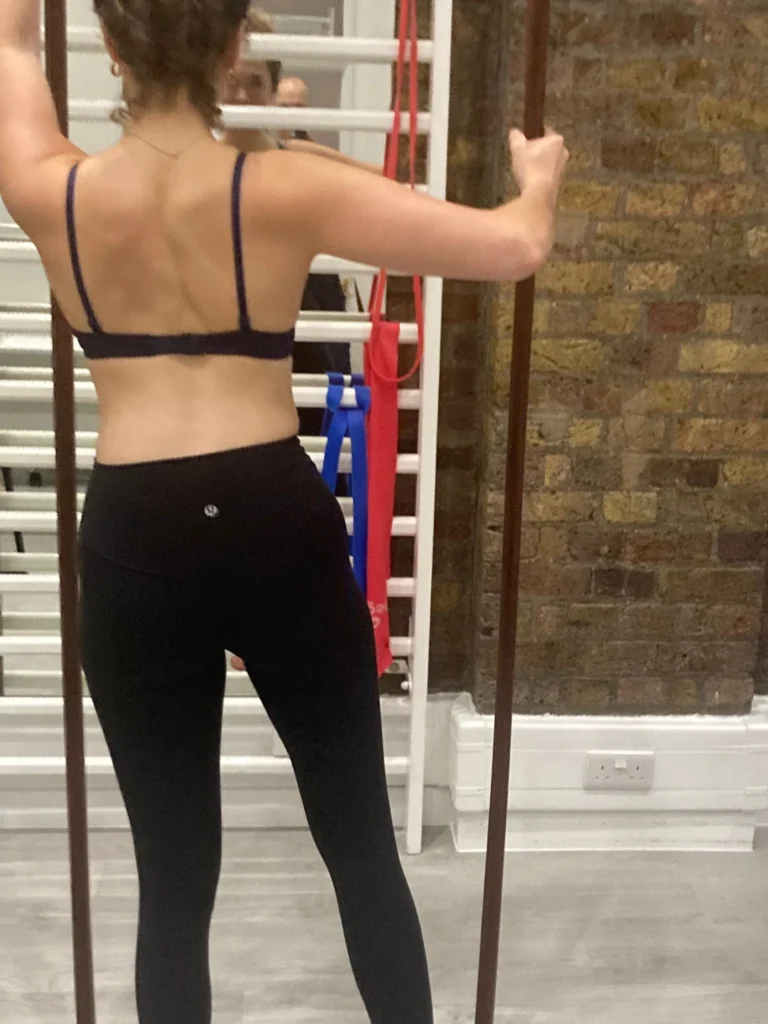
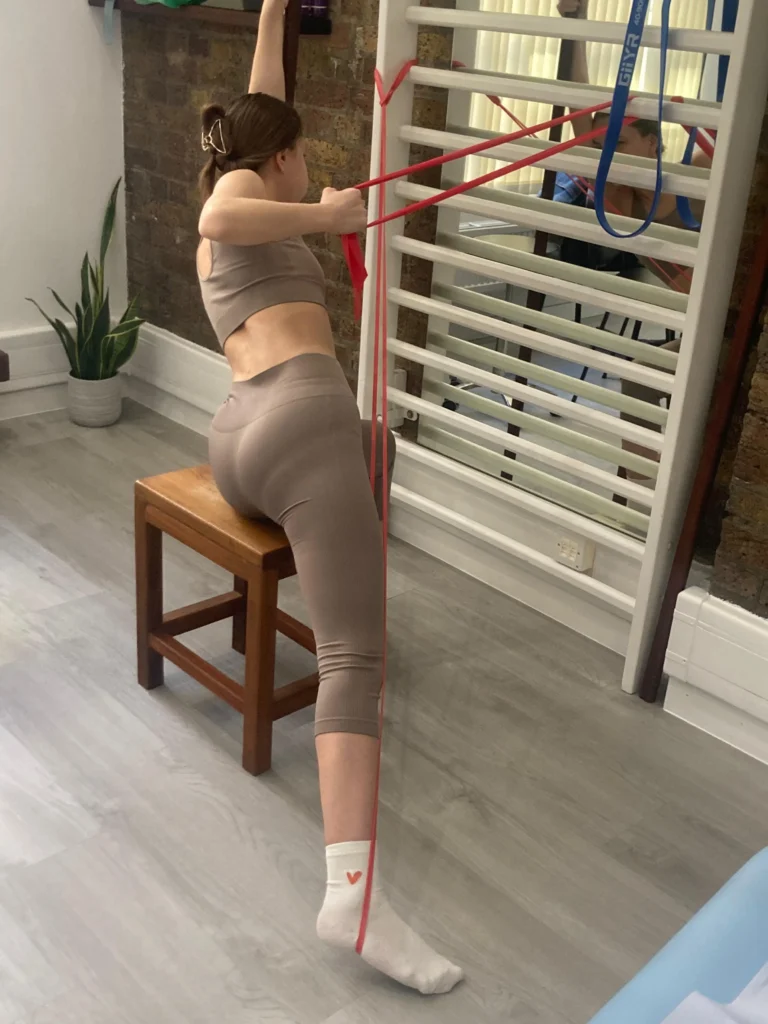
Scoliosis-Specific, Evidence-Based Treatment
Personalised One-to-One Care
Our 5-Star Rated Treatment Plans
Improve Posture & Spinal Alignment
Reduce Pain & Prevent Curve Progression
Holistic, Supportive Treatment Journey
Why Choose Us
HIGHLY RECOMMENDED CLINIC
5 Star service quality for individual patients, to help improve their quality of life.
EXPERIENCED THERAPISTS
Our licensed therapists are waiting to help get you back to 100%. Have a consultation, assessment and exercise plan on your first visit.
ONLINE AFTERCARE PLATFORM
Our online exercise planner is accessible 24/7 to provide the motivation you need for the best results.
FREQUENTLY ASKED QUESTIONS
Your physiotherapist will devise a treatment plan and discuss the amount of sessions that could be required based on your condition.
All scoliosis patients with a curve more than 45 degrees Cobb angle could be considered for surgery. The decision for surgery will be based on the progression of their curve.
If there are exercises that bring on pain or worsen the curve, they should be stopped.
External Scoliosis Bracing Services
Where scoliosis bracing is clinically indicated, patients may be referred to our collaborating orthotic provider, SpineCorporation Ltd.
Additional information regarding scoliosis bracing assessment and treatment is available on their website
Have a question? Please contact us
We’re here to help! Contact us and we’ll get back to you as soon as possible.
Connect with us:
Book an Appointment
Booking is quick and easy — just choose a time that works best for you, and we’ll handle the rest.